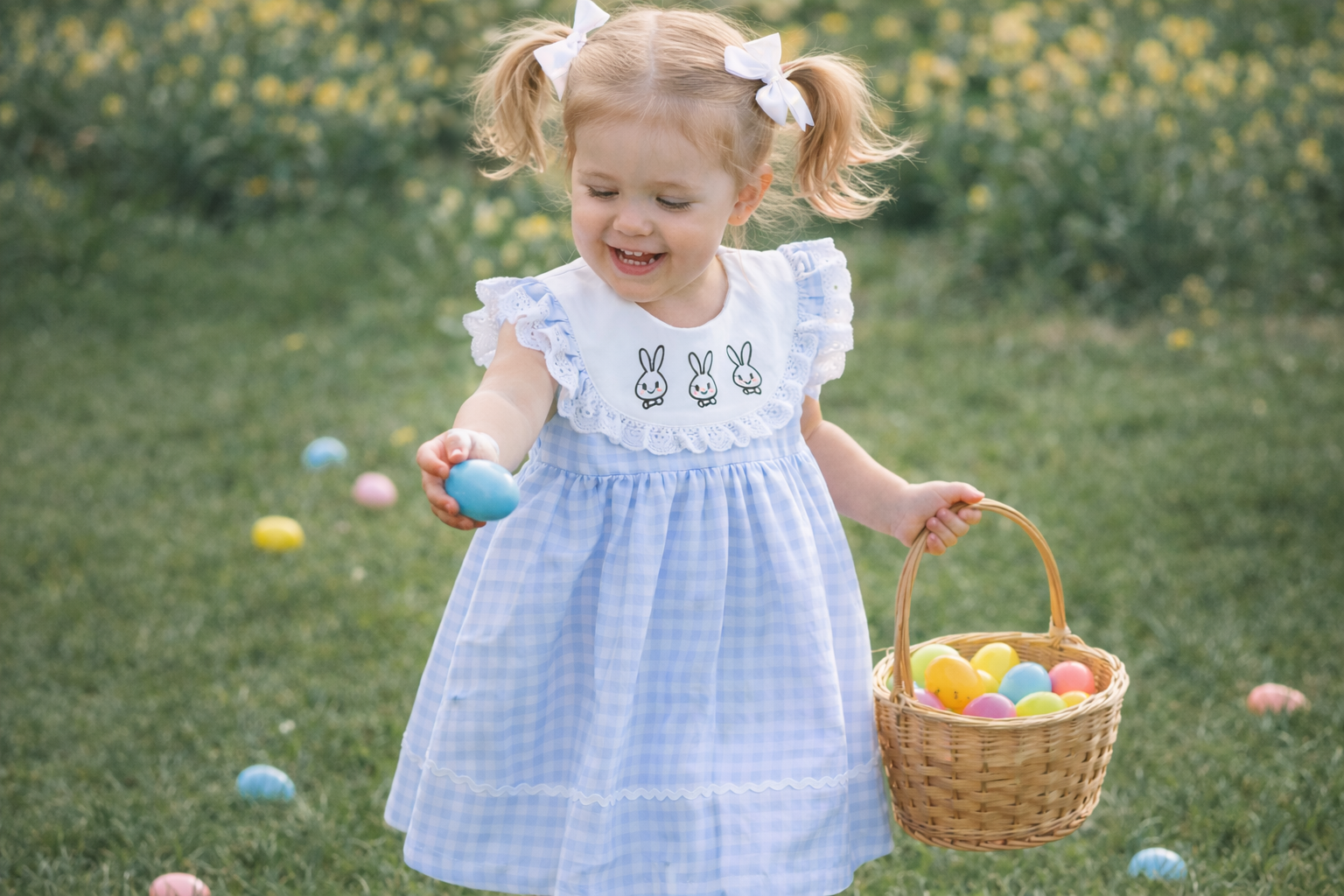

Welcoming a baby into the world is one of life’s most joyful experiences. Alongside the excitement of cuddles, milestones, and endless giggles comes the task of preparing for your little one’s needs—and clothing is at the top of that list. Baby clothing isn’t just about style; it’s about comfort, safety, practicality, and growth. With so many options available, new parents often feel overwhelmed trying to decide what to buy, how much is necessary, and what’s truly worth the investment.
This guide will walk you through everything you need to know about baby clothing—from essential wardrobe pieces to choosing the right fabrics, sizes, and styles for every stage of growth.
Understanding Baby Clothing Basics
When it comes to dressing a baby, the priorities differ greatly from shopping for adult or older children’s clothes. Babies grow rapidly, spend much of their time sleeping, and have highly sensitive skin—all of which influence the types of clothes they need. The best baby clothing balances comfort, functionality, and safety while still being cute and fun to dress them in.
Here are a few key things to keep in mind:
Essential Baby Clothing Items
A baby’s wardrobe doesn’t need to be large, but it should be versatile and practical. Here’s a breakdown of the must-have items for your little one’s closet:
These are the foundation of every baby’s wardrobe. Onesies are easy to put on, soft against the skin, and perfect for layering. Choose styles with snap closures for quick diaper changes and envelope necklines that make it easy to slip over your baby’s head.
Tip: Have at least 6–10 onesies on hand since babies often require multiple changes a day. 2. Sleepwear and Pajamas
Since newborns sleep 14–17 hours a day, cozy and safe sleepwear is essential. Opt for one-piece sleepers or zip-up pajamas made from breathable cotton. Avoid loose-fitting styles or items with strings and ties, which can pose safety risks.
Tip: Look for sleepers with built-in footies to keep your baby’s feet warm without needing separate socks.
While not technically clothing, swaddles and sleep sacks are vital for newborn comfort and safety. They mimic the snugness of the womb, promoting better sleep and preventing the startle reflex from waking your baby.
Tip: Use lightweight, breathable swaddles for warmer months and thicker sleep sacks during colder seasons.
Once your baby reaches the 3-6 month stage, adding simple tops and pants to their wardrobe becomes more practical. Look for soft, stretchy waistbands and easy-to-wash fabrics. Two-piece sets are especially useful for quick outfit changes.
Depending on the climate, you may need jackets, sweaters, or hoodies to keep your little one warm during outings. Lightweight cotton layers are great for spring and fall, while fleece or insulated coats work well for winter.
Tip: Avoid puffy jackets for infants in car seats as they can interfere with harness safety. Use blanket layers instead.
Tiny accessories make a big difference. Soft socks keep feet warm, hats regulate body temperature, and scratch mittens protect delicate skin from accidental nail scratches.
Choosing the Right Fabrics
Because babies have sensitive skin, fabric selection is one of the most important factors when buying baby clothing. Always opt for soft, breathable, and hypoallergenic materials.
Avoid materials that are scratchy, stiff, or contain harsh dyes and chemicals. Always wash new clothing before use to remove any manufacturing residues.
Sizing and Growth Considerations
One of the most common challenges new parents face is figuring out the right size for their baby. Infants grow quickly, often outgrowing clothes in a matter of weeks.
General guidelines:
It’s a good idea to stock up on slightly larger sizes rather than too many newborn outfits. Babies often grow faster than expected, and having bigger clothes ready ensures you’re always prepared.
Seasonal Shopping Tips
Weather plays a big role in your baby’s wardrobe needs. Here are a few seasonal tips: • Summer: Focus on lightweight cotton bodysuits, sleeveless rompers, and sun hats. • Fall: Layer short-sleeve onesies with long-sleeve shirts, leggings, and light jackets.
Safety Tips for Baby Clothing
Safety should always come first when dressing your baby. Here are a few things to keep in mind:
Making the Most of Your Baby’s Wardrobe
While it’s tempting to buy every cute outfit you see, babies grow quickly, and many pieces will be worn only a handful of times. Focus on building a functional wardrobe with mix-and-match pieces that can be layered and reused. Hand-me-downs from siblings or friends are also a great way to save money while reducing waste.
And don’t forget—baby clothing is about more than just practicality. It’s also a way to celebrate milestones, express your little one’s personality, and create cherished memories through photos and special occasions.
Final Thoughts
Choosing the right baby clothing is one of the most rewarding parts of preparing for parenthood. With the right mix of comfort, practicality, safety, and style, you can ensure your little one is always cozy, happy, and ready for every adventure that comes their way.
At the end of the day, what matters most is that your baby feels loved, secure, and comfortable— whether they’re snoozing in a soft onesie, exploring in a playful romper, or bundled up for a family outing.
As your baby grows, their wardrobe will grow too, but the joy of dressing them never fades. By focusing on quality, thoughtful choices, and what truly matters, you’ll not only make dressing your baby easy and stress-free—you’ll make every outfit part of their beautiful story.
